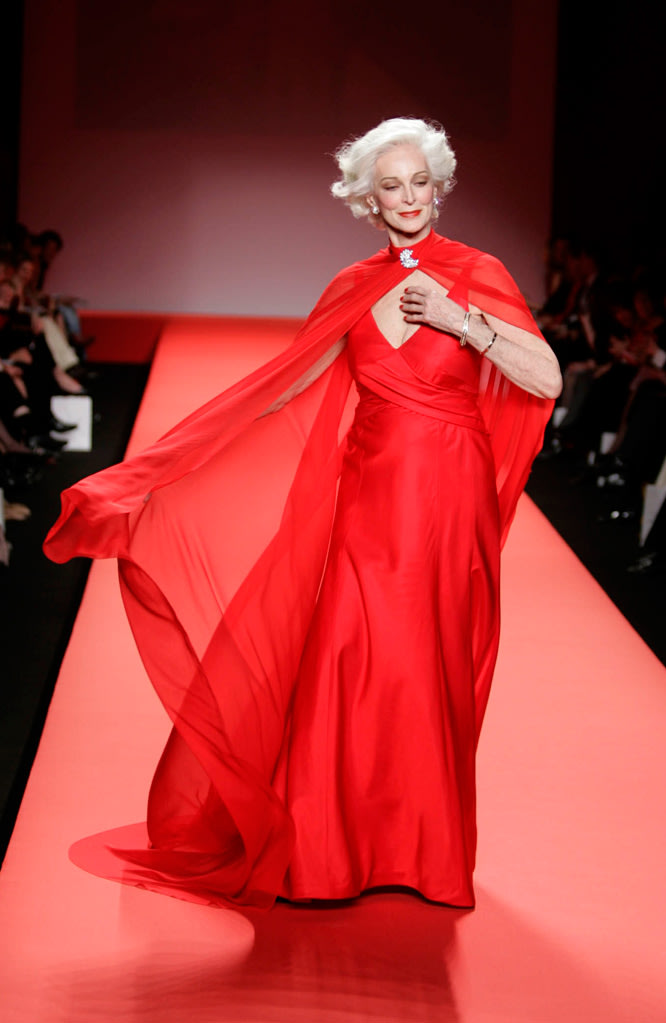
Worst Beauty Trends of All Time
A recent study shows a little makeup goes a long way in terms of conveying competency on the job. Still, evidence alone doesn't seem to prevent us from testing the parameters of gorgeousity via wacky new ways to style our hair and paint our faces, which seem to deliberately contradict the rules of natural selection. Behold, the worst beauty trends to have emerged over the last half century.
Heavy Metals in Cosmetics Revealed
The researchers tested a total of 49 common products selected from the cosmetic bags of six average Canadian women. They found that every product contained at least one of seven heavy metals including arsenic, cadmium, lead, nickel, beryllium, thallium, and selenium. Lead, a known neurotoxin, showed up in 96% of the items.
The Truth Behind Hand Sanitizer
We often spend on hand sanitizers that claim to kill 99.9 percent of germs, but all too often, we’re not getting the protection we’re paying for. Studies show that sanitizers aren’t very effective against some of the germs we fear most, including colds, flu and the nasty stomach bug norovirus.
However, there’s also research showing that alcohol-based sanitizers can reduce overall rates of GI infections, cut the number of days kids stay home sick from school, and lower illnesses among college students living in dorms.
New studies also raise concern about potential health risks from a widely used hand gel ingredient—and there’s also evidence that many of us use these disinfectants incorrectly.
Take a look at some facts and myths about the germ-fighting gel.
Hand gels don’t cut through grime.
Dirt, especially proteins or fatty materials, reduces the effectiveness of hand sanitizer, so alcohol-based hand sanitizers are not suggested if hands are visibly soiled. Instead, wash with soap and water.
It is important to use the product correctly. Rub the sanitizer over the entire surface of the hands and fingers – including under the nails – just as you would when using soap and water.
One type of hand sanitizer actually raises bacteria counts.
That was the startling finding of a study comparing various products, according to the CDC. Volunteers placed their dominant hand on plates of agar growth medium (used to grow bacterial cultures in lab dishes) before and after various treatments, such as rinsing with tap water, lathering with antimicrobial soap, or rubbing hands with sanitizers, including one purchased at a discount store.
The next day, culture plates from hands rubbed with the store-bought gel not only had clumps of bacteria, but in some cases, they’d formed a visible outline of the volunteer’s hand. The researchers discovered that the discount product only contained 40 percent alcohol.
Though the study doesn't specifiy which hand sanitizer raised bacteria counts, there have been several voluntary recalls of hand sanitizers due to bacterial contamination, including Kleenex-brand Luxury Foam hand sanitizer in June, 2012 and X3 Clean Alcohol-Free Foaming Hand Sanitizer in November.
Not all disinfectants are equally effective.
It depends on which hand sanitizer [you’re] using. Alcohol-based sanitizer with 60% concentration is very effective at killing a wide range of bacteria and viruses on the hands—and the product of choice in the hospital setting based on rigorous randomized intervention studies.
However, “hand washing with plain soap and water is the preferred regimen, but if a sink is not available, or you are in rush or cannot leave your desk, hand sanitizer is an appropriate alternative.
Alcohol-based gels and sprays only kill certain microbes.
There are a few germs against which alcohol gels are not very effective. This includes spores from Clostridium difficile (a cause of diarrhea in persons who have received antibiotics) and norovirus. Infections with the superbug C. difficile are at an all-time high, the CDC reports, killing about 14,000 Americans a year.
A 2011 CDC study found that long-term care facilities where staff used alcohol-based hand sanitizer were six times more likely to have outbreaks of norovirus than facilities where staffers lathered up with soap and water.
There’s not much evidence that sanitizers prevent colds and flu.
In the University of Virginia study, volunteers who used alcohol-based antiviral hand sanitizer every three hours had no significant drop in flu or rhinovirus infections, compared to non-users. The findings were presented at the 50th Interscience Conference on Antimicrobial Agents and Chemotherapy in Boston.
These results suggest that hand transmission may be less important for the spread of rhinovirus [the main cause of colds] and influenza virus than previously believed. Instead, these germs are mainly spread through airborne droplets released when infected people cough and sneeze.
An ingredient in many hand sanitizers, soaps, and deodorants may harm the heart and muscles.
A 2012 study reports that that the antibacterial chemical triclosan impaired muscle function in fish and mice, according to researchers at the University of California, Davis, and the University of Colorado.
In test tube experiments, triclosan also hindered the ability of isolated heart muscle cells and skeletal muscle fibers to contract. The effects of triclosan on cardiac function were really dramatic.
Although triclosan is not regulated as a drug, this compound acts like a potent cardiac depressant in our models. However, it’s not yet known if the chemical is harmful to people. The FDA and the EPA are conducting new risk assessments, while the researchers call for “a dramatic reduction in its use.
Purell Advanced Hand Sanitizer is frequently used in hospitals and medical facilities, and does not contain the chemical triclosan.
Exposure to everyday germs during childhood may prevent diseases later in life.
A 2009 study by Northwestern University found that kids raised in ultra-clean environments may have higher levels of inflammation as adults, which could boost risk for heart attack, stroke and other dangerous disorders.
Conversely, kids who grow up in less hygienic environments have five to seven times lower levels of the inflammatory marker C-reactive protein as young adults.
The findings suggest that overusing sanitizers and antibacterial products may cut the number of infectious diseases kids get when they’re young, but make them less healthy over the long term—something parents may want to consider before reaching for disinfectants to protect kids from childhood diseases.
Common Myths About Sleeping
When running your own business starts to feel like more than a full-time job, one of the first things to take a hit is sleep. While sacrificing a good night's rest might seem to be par for the course for entrepreneurs, too little shuteye could soon hurt your business.
You may believe you can function on less sleep than you need, catch up on the weekends or compensate by drinking more coffee. If only it was so simple. Here are five common beliefs about sleep and why they aren't really so:
Sleep is just a way to let your brain rest.
People often think the brain is resting when they sleep, but it is actually more active at night than during the day. During sleep, your cardiovascular system and brain are doing a lot of work when it comes to creativity, critical thinking and memory. For example, short-term memories get registered and stored in the brain during sleep. There's a physical change in the brain that happens only as a product of adequate sleep.
I can get used to sleeping less.
If you believe you can condition yourself to operate on less sleep, you're wrong. When you are chronically sleep deprived, your mental performance declines. We lose the ability to accurately judge how impaired we are. Chronically reducing sleep time to six hours or less per night hurt cognitive performance as much as staying awake for as many as two nights straight. You're going to lose the ability to focus; you have a greater likelihood of making mistakes; and you'll have greater risk taking behavior.
I can catch up on the weekends.
If you don't get enough sleep during the workweek, sleeping in on the weekend won't easily make up for it. If you lost about two hours of sleep for five nights straight, you would need to tack an extra 10 hours onto two full nights of sleep. And that's highly unlikely. Without that much extra sleep on the weekend, you will start the next week just as depleted as you were at the end of the previous week. What's more, even if you did catch up on your sleep on the weekend, it won't undo the damage done in terms of lost productivity.
Coffee is a substitute for lack of sleep.
There's no doubt that caffeine is a potent antidote for drowsiness. It inhibits adenosine, the chemical in the brain that makes us feel sleepy, but it can only go so far. Coffee might help you feel more awake, but your body doesn't get the same nourishment from caffeine that it gets from sleep. This means your thinking speed and ability to move through problems and situations will still be impaired. It keeps you awake and moving around, but it doesn't replace the need for sleep. Your body doesn't heal; your memory doesn't get better. What's more, besides making you jittery, excessive caffeine can also cause you to feel even sleepier than before when it starts to wear off.
Sleeping longer will make me gain weight.
You might think being in bed for longer will make you less active and cause weight gain, but the opposite is true. A 2011 University of Chicago study found that lack of sleep affects metabolism and can lead to obesity. Ghrelin and leptin, the hormones in your brain that cause you to feel hungry, actually increase in your body with less sleep. And when we are tired and sleep deprived, we tend to have cravings for high-fat, high-carbohydrate foods.
Understanding the Different Type of Stress
Managing stress can be stressful. Stress brings on feelings of overwhelming strain or pressure, and can cause a wide range of symptoms that can include panic attacks, exhaustion, skin rashes, depression and even sexual dysfunction To be able to successfully understand and deal with your stress and its symptoms, or to be able to effectively help someone who is suffering from stress, you have to be able to first identify what type of stress it is. There are three main types of stress, acute, episodic and chronic. Each one is different and has its own set of symptoms, characteristics and treatments.
Different Types of Stress
Acute Stress
Acute stress is the most common form of stress. This type of stress is brought on by situations, pressures or demands of our present, or what we anticipate in the near future. While short bursts of this type of stress, like having to make a public speech, can provide a positive release or thrill, like having an adrenalin rush, it can also be a negative situation, that can lead to psychological and physical symptoms.
Because of the short term nature of acute stress, symptoms don’t have time to manifest and cause long term damage. The most common symptoms of acute stress are:
- Physical problems – these symptoms could be in the form of tension headaches, back, chest or jaw pain, stomach or bowel problems like heartburn, acid stomach, flatulence, diarrhoea or constipation, a rise in blood pressure, rapid heartbeat, sweaty palms, heart palpitations, dizziness, migraine headaches, cold hands or feet and shortness of breath.
- Psychological problems – these symptoms could include a combination of anger, mood swings, anxiety, fear or depression.
Acute stress is common in day-to-day life – being late to a meeting, losing an important document at work, dealing with a trouble child at school, trying to meet a deadline – are just some of the situations that can bring on acute stress.
Fortunately, these situations and symptoms related to acute stress are easily recognise and highly treatable and manageable. If you feel that you are getting stressed over something small in your everyday life, take a step back,, relax and breathe – it probably isn’t as stressful as you think!
Episodic Acute Stress
There are people who suffer from acute stress frequently, to the point where it becomes overwhelming and demanding on their every day life. They are constantly in a disorderly and chaotic state, always in a rush, always late, and they always have a string of demands and pressures that are constantly overtaking them and their time. This is known as episodic acute stress.
For sufferers of episodic acute stress, they seem to have a lot of nervous energy, and can be abrupt, irritable, short tempered, tense and occasionally hostile. You will find that relationships can deteriorate rapidly as they go through behavioural changes that include mood swings, as well as being impatient and anxious. Work also becomes a very stressful environment, that will carry on in to their home and personal life.
Worrying is another form of episodic acute stress. Sufferers can be known as 'worry warts', in that they see disaster at every turn and have the view that everything is dangerous or un-rewarding, with a doomed ending. These views bring on feelings of anxiety and depression.
Other symptoms of episodic acute stress include persistent tension headaches, migraines, hypertension, chest pain, and heart disease.
Treating episodic acute stress can require intervention on a number of levels, and generally includes professional help, which may take many months. This is because most of the sufferers of episodic acute stress don't see anything wrong with the way they conduct their lives, and will instead blame their stress on other people or factors, like work or school. They view their lifestyle and consequent levels of stress as simply the way their world works and is just who they are as a person. This type of mindset makes sufferers fiercely resistant to change, but usually it is a need for relief from the pain and discomfort of their symptoms that keeps them on track with their treatment and recovery program.
Chronic Stress
Chronic stress sufferers are people who are constantly ground down every day by stress. Chronic stress is long-term and destroys bodies, mind, spirit and lives. It is bought about by large, overwhelming long-term problems like poverty, unhappy marriages, dysfunctional families or high-strung jobs or careers.
Chronic stress is persistent as the sufferer never sees a way out of their miserable, stressful situation. They give up trying to find a way out, and become accustomed to their way of life. This is probably the worst aspect of chronic stress, in that the sufferers get used to it, as it just becomes a part of who they are and how they live.
Some forms of chronic stress are born from traumatic, early childhood experiences that become internalized and remain part of that person forever. Their trauma or view of the world, or even just their situations, causes unending stress for the individual. Professional help is needed to be able to start addressing and coming to terms with the deep, psychological issues that are causing the chronic stress.
Chronic stress can kill, through suicide, violence, heart attack or strokes. The sufferers of chronic stress will simply just shut down, or wear down, resulting in a final breakdown. Because physical and psychological aspects have been ongoing for a long time within the sufferer, the symptoms of chronic stress are difficult to spot, let alone treat. The victims of chronic stress may require extended medical and behavioral treatment, as well as stress management and meditation plans.
Facts You Should Know About Sleeping
A good night’s sleep is vital for the human body. While there are many theories as to exactly why we sleep and what happens when we do sleep, it is generally agreed that sleep helps our bodies repair damaged cells, process and store information and helps our bodies process.
How We Sleep
We all sleep in different stages. Every night when you go to sleep your brain goes through a pattern and cycle of sleeping. Tests conduction on people’s brain activity while they are asleep showed that there are two basic types of sleep. The two forms of sleep are rapid eye movement (REM) and slow-wave or non-rapid eye movement sleep (NREM). These two states of sleep occur in 90 minute cycles that are repeated five or six times every night. Infants spend about half their sleep time in the REM sleep phase, adults about a fifth, and it is sometimes even less with elderly people.
Non-REM Phase
Non-REM Phase is divided into four phases, accounting for 70 per cent of adults’ total sleep time every night.
STAGE ONE: In the first stage of sleep, that is just as you have started to drift off, your eyes start to slowly roll behind your lids. Breathing becomes more regular and slower. You are less aware of your surroundings, although a whisper could wake you. Often you have the dream-like sensation of falling or jerking, which is enough to arouse you awake. This stage usually lasts for five to ten minutes.
STAGE TWO: This stage accounts for half of the total sleep time. You can easily be aroused from this sleep stage, even though you are even less aware of your surroundings than in stage one. Your brain has small busts of activity which last only for a second or two.
STAGES THREE AND FOUR: In these stages is when you are in a deep sleep. You whole body, including your muscles is very relaxed and you have a slow, regular heartbeat and breathing. Trying to wake someone while they are in these stages is very difficult. During these stages growth hormones are released in our bodies, which encourage growth and development in children, and muscle and tissue repair in adults. A healthy adult will spend about seven per cent of total sleep time in stage three and eleven per cent in stage four.
REM Phase
The REM stage makes up roughly 20-25 per cent of a normal night’s sleep. It is called REM as while you are in this stage, your eyes move about rapidly, flickering and twitching behind your closed eyelids. In this stage you are also temporarily paralysed, except for the muscles needed for basic life-sustaining functions, such as breathing. The blood flow to your brain increases during this time, which is thought to help children’s brains to grow and adult’s brains to repair.
Adults experience REM sleep within 90 minutes of falling asleep and as the cycle repeats during the night, usually either five or six times, you spend a little longer in the REM stage. It is also during the REM stage that dreaming occurs, which lasts between five and thirty minutes. It is unclear exactly why we dream, with some suggesting it is our minds way of dealing with the events of the day, while others say it is how we sort through memories and what we have learnt in order to process it into long term memory, while others suggest that it is just our brain dealing with things that are worth forgetting, overlapping memories that might otherwise clog up our brains.
Why do we Sleep?
There are many theories as to why our bodies require sleep. Many believe that sleep, particularly the REM phase, is important for memory, healing and learning. Also, physical exustion is another reason for sleep, as the body requires time to rest and repair any damaged tissue or muscles. For infants and children, sleep is vital for brain development and growth.
A lack of REM sleep is believed to increase irritability and decrease concentration during the day, while a lack of all four phases of NREM sleep has been shown to leave a person complaining of physical tiredness while awake. After three days without any sleep, a person will normally start to hallucinate, be unable to think clearly, and lose their grasp of reality, as well as show signs of physical fatigue, like headaches and pain.
Sleep Facts
- Narcolepsy is the medical condition for the uncontrollable desire to sleep anywhere.
- The average yawn lasts for six seconds and during a yawn your heart rate can rise as much as 30 per cent.
- Sleepwalkers are called somnambulists, and sometimes they recall their adventures the next day, other times they are completely unaware of what has transpired. Sometimes somnambulists will dress and eat in the middle of their sleep. Sometimes they don’t always go back to their beds to resume their night’s sleep.
- In 1965 17 year–old US high school student Randy Gardner stayed awake for a record of 264 hours, or 11 days. This was part of an experiment conducted by researchers from Stanford University. During the experiment, Randy showed no signs of madness but used loud music and cold showers to stave off sleep. After finally going to bed he awoke after a 15 hour sleep feeling fine.
- Elephants sleep standing up during NREM sleep and lie down for REM sleep.
- Most of what we know about sleep we have only learned in the past 25 to 30 years.
- Scientists have not been able to explain a 1998 study showing a bright light shone on the backs of human knees can reset the brain’s sleep-wake clock.
- Our body’s ‘natural alarm clock’ which enables some people to wake up more or less when they want to is caused by a burst of the stress hormone adrenocorticotropin.
- Studies suggest that women need an extra hour of sleep a night than men.
- In 2000 a camper aged 14 fell 4m off a cliff in Australia after sleepwalking out of his tent. Thankfully, he survived.
2013 Must-Try Hairstyles for Women
There's no time like winter break to do a little beauty experimenting! Your hairstyle is a great place to start because even small changes can make a big difference. If you're timid, try a temporary change, like adding a new accessory into your routine. If you're bold, consider bangs. Grab your comb, some hairspray, and a few bobby pins and don't forget to deep condition! Whether you like updos, braids, or major waves, you'll reemerge from vacation with a new look that you can soon be calling your signature this season.
Long Blunt Bangs
If you already have blunt bangs, then you're halfway there-just keep on growing! But if forehead fringe isn't in the cards for you, go for clip-ins. Make sure they match your hair color as closely as possible and pop on a set. Look for ones made of real hair so you can style them as you would if they were natural. Should the length get in your way during classes, just brush them to the side for an equally flatting swoop.
Pink Streaks
Perk up winter hair with a touch of pink. There are many ways to add streaks to your strands, but start by using spray-on versions of wash-out formula color at home to test out the look. Make sure to isolate the strands you want to color and pull back the rest so you don't end up with a complete head of cotton candy-colored hair. Begin with a few small sections-it's always easier to add more than to remove the hue and start again.
Mini Headband Braid
The hairstyle that goes along with the "headband" can be a bun, a ponytail, or even mussed waves.
The size of this braid makes the look a snap to recreate at home because you're only working with a very little section. Use a bobby pin that's similar in color to your hair to discretely secure it into place behind your ear.
Low Ponytail and Side Bangs
This simple style is elevated by sleek side bangs. There's a retro feel to the sophisticated and elegant look that could dress up a t-shirt and jeans or accompany a prom dress.
If you don't have fringe of your own, fake it by sweeping a section of your hair across your forehead and pinning it at the back. You can use a curling iron to get a bit of flip at the end of your ponytail or bangs. Complete the 'do with a shine spray to achieve a high gloss finish.
Strong Side Part
Wearing your hair parted all the way to one side of your head is quick and easy but also ultra-glamorous.
Pick a side and start parting! You can go for major old Hollywood glamour with added volume or go for a beachy feel using a salt spray and a touch of teasing to achieve the more tousled look from the runway.
Strappy Leather Accessories
Every look could use a little leather. For a simple take on the trend, look for a leather (or pleather!) headband.
Nail Trends for 2013
Whether you want something dark and sultry or bold and funky, you can find a new favorite nail color for the new year.
From neutral nail color to new technology, check out what's hot in nails for 2013.
Nail Techniques
French with a twist
In 2012, we saw plenty of reverse French manicures with dark tips instead of the traditional white. For the new year, expect French manicures with a new, different twist. The sideways French manicure will be popular (a vertical split) as well as pale nails with a striking diagonal tip, half moon accent or other graphic shape in a contrasting shade.
Magnetic
Magnetic nail color hit the scene in 2012 and will be going strong in the new year. You can achieve a cool 3D look in an instant with magnetic nail color. Simply apply the lacquer and then hold the included magnet over each nail while the polish is wet. Add a top coat and voila! — shiny, 3D nails you'll love.
Ombre
Ombre hair color has been trendy for a couple of years now, and, in 2012, we were introduced to ombre nails. If you like this look, you are in luck because the trend will continue throughout the next year.
It looks professionally done if you have the patience for it, and all you'll need are two different shades of polish. Use a top coat and a base coat, and find that having a makeup sponge handy can help to clean up any mess and tighten up the edges of the colors.
- First, make sure that your hands are moisturized, clean and dry. That's the first step to any successful manicure and should be a standard practice.
- Apply your base coat and the base color. It is recommended to use two coats, depending on the polish used. This will show as the lower color on your nail, closest to the cuticle.
- Use a paper bowl to pour a small amount of the second color (the one that will appear at the tip of your nail), and dab a tiny amount on your makeup sponge. Do this slowly and carefully, never applying too much at a time. This will help to keep the mess manageable.
- This is important: Make absolutely certain that your nails are fully dry before applying the second color. Dip the makeup sponge into polish and dab the tips of your nails in quick, short strokes. Make sure to cover the end of your nail.
- The top coat becomes a blending tool with this style. It will act as a re-wetting agent to bleed the two colors together, and keep your color lasting and solid.
Nail Colors
Deep and dark
Black nail polish isn't just for Twilight fans and teenage goths. Dark nail polish is usually hot for winter, but this trend will even carry into spring this year. Dark shades we love include OPI's Suzi Skis in Pyrenees (a deep, rich blue-gray) and Essie's Licorice (a beguiling jet black cream).
Light and icy
On the other end of the spectrum, light shades of nail polish will also be trendy for the new year — especially in the springtime, of course. We like CND's Pink Lily as well as the new Zang Toi Spring Summer 2013 Collection for Zoya. This collection features three "Ice Princess" shades with subtle metallic tones of cool lilac (Julie), icy pink (Gei Gei) and shimmery yellow (Piaf).
Green, three ways
Green will be one of the hottest colors of the year in fashion — and in nails.
- Emerald — When emerald was named Pantone Color of the Year for 2013, we knew this rich hue would find its way into the beauty scene and it has. Many of your favorite nail lacquer brands will release emerald-y shades in 2013.
- Mint — Mint green has been popular in spring for the last two years, and we'll see more of the same in 2013. If you like pale shades of polish but want something a little different than girly pinks, then mint might be the answer for you.
- Accents — Bold color combinations are going to be on-trend all year. One of our favorites is jet black nails accented with brilliant green designs.
Know Your Health Through Your Hair
Everything from stress to nutrition to hormones can impact whether your strands are thick and shiny or thin and brittle. Check out these telltale clues that your tresses can give you about your overall well-being.
Major shedding
What it means: The average woman may lose as many as 100 hairs a day, but if you suddenly notice fistfuls coming loose when you brush or piles on your pillow, it may be a clue that you have a hormonal imbalance called PCOS, or polycystic ovary syndrome. PCOS can trigger your ovaries to produce too many androgens, or male sex hormones, and contribute to hair thinning or hair loss. Other signs of PCOS include stubborn belly fat, facial hair, acne, and irregular periods.
The fix: As many as one in 15 women may have some degree of PCOS, but losing weight by eating whole, unprocessed foods and exercising for at least 30 minutes a day can balance hormones and lessen symptoms. Taking the pill also helps regulate your period. As for your hair, it's a myth that skipping shampooing will prevent you from losing more. Your scalp has already been programmed to lose those strands. Be sure to keep washing regularly so you feel good and maintain a healthy scalp.
Fine, limp texture
What it means: If your once-thick locks morph into thin strands, it could be a sign of hypothyroidism, a condition by which the thyroid gland doesn't produce enough hormones, causing your metabolism to slow down. The thyroid is the master gland that regulates your endocrine system and it also impacts how hair is formed. Other symptoms of hypothyroidism include unexplained weight gain, being cold all the time, and feeling fatigue despite getting adequate sleep.
The fix: First thing's first: see your doc. She or he will give you a TSH test and - if diagnosed with hypothyroidism - you may have to take a pill such as Synthroid. As for keeping your strands thick, avoid getting highlights if you color your hair. Highlights over color cause damage and compromise the overall density by increasing the likelihood of breakage.
Hair that falls out only in patches
What it means: Losing hair in dime- and quarter-sized patches could be what's known as alopecia aratha. It's thought to be an autoimmune condition where your immune system attacks your body's own healthy cells and may be triggered by major life events such as a pregnancy or illness. Patches may fill in and regrow, and then another bald patch can show up.
The fix: It's important to consult with your doctor to pinpoint whether or not you have an underlying immune disorder, and cortisone shots could help. It may also just be your body's individual response to stress, similar to how some people break out in hives on their skin. If stress seems to be the cause, better manage your anxiety by pinpointing your specific triggers and avoiding them, as well as trying a mindfulness-based exercise routine such as yoga or tai chi.
Going gray early
What it means: Genetics are mostly to blame for those white hairs sprouting all over your head, and usually aren't indicative of an underlying health problem. However, if you have a lot of grays before age 35, some studies suggest you might be short on vitamin B12 and folic acid. Researchers discovered that folic acid, vitamin B12 and sun exposure could help re-pigment patches of both skin and hair that stopped producing melanin, according to a study by the Department of Dermatology at University Hospital in Uppsala, Sweden.
The fix: To get more vitamin B12, fill up on lean red meat, shellfish, eggs, poultry, and milk. For folic acid, increase your intake of leafy greens, beans, and fortified grains. To cover grays without harsh chemicals, try a formula that uses natural botanicals like henna instead of ammonia, formaldehyde, and other potentially harmful ingredients.
Dry, flaky scalp
What it means: Dandruff can be seriously embarrassing - it's definitely not an accessory you want to wear with a little black dress during the holidays. Besides using too many products, those little white flakes can also be the result of stress and anxiety.
The Fix: Try adding more fish to your dish - such as salmon and sardines - to up your levels of omega-3 fatty acids. This healthy fat not only helps keep skin and hair supple, but researchers have shown that people with the highest blood levels of omega-3 fatty acids are least likely to report symptoms of depression, and report having an overall more positive outlook. Also try an exfoliating scalp mask to slough off dead cells and moisturize skin. Think about your scalp the way you think about your skin because it's the base for your hair follicles to grow out. You want to moisturize it and soothe inflammation.
Strands that break off easily
What it means: Your hair is made of a protein called keratin, and a lack of protein in your diet can weaken tresses to the point that they snap. Vegans or vegetarians may be especially at-risk since meats are one of the most common sources of protein. If you're certain you're getting enough protein, the damage may be caused by heat and overstyling.
The fix: If you're eating an 1800-calorie-a-day diet, aim to get at least 68 grams of protein to help fortify strands. An example of an easy swap to up your intake includes trading a six-inch pancake sans butter or syrup (5 grams protein, 175 calories) for 1 cup low-fat plain yogurt with 1/2 cup apricots (13 grams protein, 186 calories). To prevent weakening the cuticle and further breakage, turn the heat setting down to medium on your styling tools. Also try cutting two minutes off of your usual styling time, because it usually doesn't change the overall look of your hair but can potentially lessen cumulative damage that makes strands more fragile.
2013 Fashion Trends
Last year yielded a few new trends we liked, some we grew tired of, and many we really never liked (hidden wedge heels inside sneakers just seem so masochistic). Suddenly not feeling your neon clothing anymore (or perhaps you've singed your retinas)? Fear not! Fashion is cyclical and you may want that bright chartreuse dress one day.
Hi-low Hemlines aka Mullet Dresses
Celebs love showing off their legs, but this swooping hemline is having an identity crisis. Rather than a sexy mini or a flowing maxi, there's this weird, confused, hi-low monstrosity. It's like a rat-tail: we just want to snip it off!
Neon
This in-your-face trend has been popular for years, and when done in small doses (like the trim on a clutch) it can be playful and unexpected. But in 2012 people got way too comfortable wearing head-to-toe neon and outfits are starting looking like Halloween costumes. The clothes, the nail polish, the hair! Ahh, our eyes! We'd love to put these colors on mute.
Spike Overload
An outfit that's composed of at least 60% non-metal. Really, ladies. The clothing, handbags, and shoes covered in spikes are overkill and truly an accident waiting to happen. Don't say we didn't warn you.
Top Knots
Yes, top knots were our easy, go-to holiday style, and they’re prefect for days when there's no time to wash. They're also an ideal 'do for the gym, the beach, running errands, and pie-eating contests (we're just guessing). Grab a bottle of dry shampoo and experiment with a new style this year.
Tribal prints
From ikat to cevrons to everything in between, this year's music festival gear was like a vomitous explosion of tribal prints (and coordinating arm parties, of course). We yearn for simple, crisp stripes, or dare we say solid fabrics.
Fancy Pajamas
Yes, Rihanna's silk PJs and robe is a far cry from grungy sweats or Snuggies, but we still think jammies have no business outside the home, let alone on the red carpet.
Pointy Nails
Sharp talons like Fergie's are a little intriguing, kind of scary, and difficult to maintain. We prefer our neatly filed round and squoval nails, thanks.
Wedge Sneakers
Dresses and sneakers don't quite compliment each other like a burger and fries. Designer Isabel Marant and countless imitators decided to put a wedge heel on their kicks in an attempt to make them more formal. Well, it didn't really work, and now the only footwear designed to be comfortable and good for your feet is anything but. That's a fail in our book.
Sheer Outfits
We felt like someone's grandma this year, wanting to go around and cover up all the women in sheer clothing. In 2013 we vow to leave more to the imagination.
Splash News Peplums
The right style on the right girl is so flattering as it can slim the waist, hide a tummy, and enhance the hips. But not all trends are for everyone and we've seen too many peplums gone bad. Slapping a ruffle on the wrong place in a bulky fabric can actually add weight! Peplums are still hitting stores this spring, but let's avoid a fashion disaster.
Printed denim
Jeans are typically an investment piece you wear every day. But be honest: how often are you really wearing your jeans adorned with leopard print, stripes, flowers, or polka dots? And might those patterns be more flattering on, say, an accessory? Thought so.
Half-shaved heads
Even Ke$ha has moved on from the under-shaved hairstyle, so let's all just grow it out.
Illusion Dresses
Kate Moss, Gwyneth Paltrow, and Kate Winslet were some of the first starlets to try Stella McCartney's "illusion" designs with strategically placed colorblocking designed to make women look thinner. Thing is, these ladies all have amazing figures to begin with, and up close those silhouette lines aren't fooling anyone. We hope this dress and all the knockoffs it spawned go the way of the ubiquitous Herve Leger bandage dress and slowly disappears.
Harmful Beauty Trends to Avoid in 2013
So many beautifying techniques sound like a really great idea -- who wouldn't want to restore moisture and elasticity to their skin, deep condition and soften their hair, or get a pretty glow? But in our ever-enduring efforts to look our best, we can sometimes fall prey to unhealthy and even dangerous treatments.
Here are five beauty trends we saw this year that are just plain bad for you:
Keratin Straightening Systems
We've long been concerned about keratin treatments -- also known as Brazilian Straightening treatments. But as of earlier this year, the two biggest manufacturers of the treatment will include a warning about the carcinogenic effects of formaldehyde gas that is emitted when the product is mixed.`
Black Market Butt Injections
Loose solutions like silicone are not approved for injections in humans, and yet this fast-growing treatment that is meant to augment your posterior is regularly conducted at home or by unlicensed people, often known as "shot girls".
In a certified surgeon's office, the typical augmentation would be done using the patient's own fat. And though any medical procedure caries its own set of risks, it's obvious that the regulated and controlled process conducted by a licensed physician is a safer bet.
Tanning
This year's tanning mom was a cautionary tale if there ever was one -- though the majority of tanners obviously don't look quite like her. But even if that tanning-bed session gave you a healthy-looking glow, you're now 29 percent more likely to develop basal-cell carcinomas and 69 percent more likely to get squamous-cell carcinomas -- two types of deadly skin cancer.
Fish Spa Pedicures
It sounds harmless enough: Toothless carp known as "doctor fish" nibble away at the dead skin cells that form unsightly callouses on a person's feet. But a recent analysis of fish slated for spas throughout the U.K. showed they were found to have antibiotic-resistant bacteria such as Vibrio vulnificus, Vibrio cholerae, S. agalactiae and even Streptococcus agalactiae, which can cause pneumonia and other serious infections.
That callous-sloughing razor doesn't sound so bad now, does it?
Bikini Waxes
At least one crusader -- a family doctor who runs a student health center in the U.K. -- is out to end the practice of bikini waxing.
Dr. Emily Gibson explains that waxing pubic hair creates microtears in skin that, in turn, makes waxers more vulnerable to picking up infections -- either from bacteria that grows in the genital region, or from sexually transmitted disease.
“Pubic hair does have a purpose, providing a cushion against friction that can cause skin abrasion and injury, and protection from bacteria," wrote Gibson in MedPage Today. "It is the visible result of adolescent hormones and certainly nothing to be ashamed of or embarrassed about.”


Lunes, Pebrero 11, 2013
Lecor Martineau