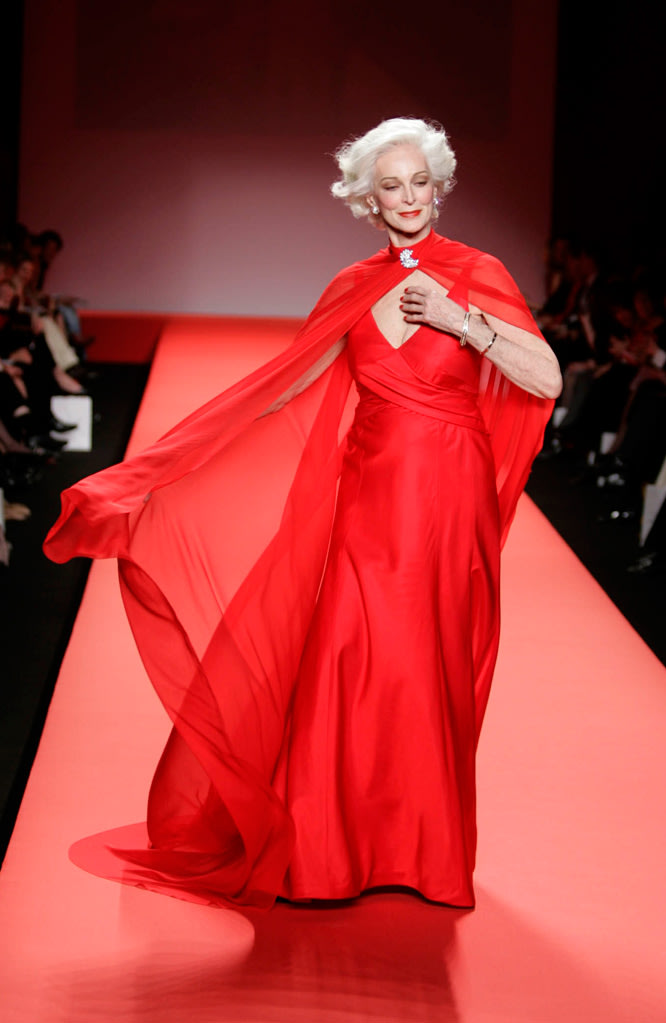
Worst Beauty Trends of All Time
A recent study shows a little makeup goes a long way in terms of conveying competency on the job. Still, evidence alone doesn't seem to prevent us from testing the parameters of gorgeousity via wacky new ways to style our hair and paint our faces, which seem to deliberately contradict the rules of natural selection. Behold, the worst beauty trends to have emerged over the last half century.
Heavy Metals in Cosmetics Revealed
The researchers tested a total of 49 common products selected from the cosmetic bags of six average Canadian women. They found that every product contained at least one of seven heavy metals including arsenic, cadmium, lead, nickel, beryllium, thallium, and selenium. Lead, a known neurotoxin, showed up in 96% of the items.
Ipinapakita ang mga post na may etiketa na General. Ipakita ang lahat ng mga post
Professional Clothing Tips for Summer
Summer is a season everyone looks forward to. It is a season with lots of outdoor activities. It is also a time for bright colors that replace the dull and dark colors of winter. Summer season nevertheless has its own challenges. The peak of summer is often characterized with scourging heat of the sun that leaves a lot of people longing for cold drinks and cool environment. It is a time when a lot of people are scantily clothed, so as to allow evaporation of water (sweat) from their body, as evaporation leads to cooling. The greater the part of the body that is exposed to air the greater the cooling sensation people experience. In an attempt to maximize the cooling effect they experience, some people tend to be overly scantily clothed such that they stray from norm of decency.
Dressing professionally to work during the summer season can be a challenge for many as professional dressing prohibits any form of scanty dressing. To ward off the heat of the sun and also enjoy the cooling effect of evaporation of water (sweat) from the body in the summer season, there are couple of clothing tips you can consider.
Colors of the Clothes You Wear
During the summer season endeavor to wear clothes with very bright and reflective colors, when shopping for summer clothing, buy clothes with very bright colors especially clothes with white background such as stylish tops and blouses, dresses, bright colored skirts, white pants, or white men's dress shirts, bright colored t-shirts. Avoid clothes with dark colors especially solid black clothes, such as solid black pants, black men's dress shirts, black dresses or black skirts, black men's suits. Bright colors are very reflective, they reflect the heat of the sun away from your body, while dark colors are very good absorbents of heat and you certainly do not want to wear such clothing during the summer season. Wearing bright colored clothing in summer will help to reduce the amount of heat your body absorbs.
The Style of the Clothing You Wear
When possible avoid clothing with long sleeves. Wear clothing with short sleeves, such as short sleeve dresses, knee length skirts, 2 or 3 piece dress suits or skirt suits with short sleeves. You can also wear a cotton jacket over a sleeveless top or blouse. Men can wear men's short sleeve dress shirts, men's walking suits or men's casual shirts.
The Material the Clothes You Buy are Made From
Different clothing are made from different types of materials, some of these materials are cotton, nylon or synthetic in nature. The material from which clothing is made from gives it its unique characteristics. These characteristics determine the durability, comfort and safety of such clothes around certain environment. It is very important to take into consideration the material your clothes are made from. During summer you need to wear or dress in clothes that will give you maximum comfort. For this reason it is always preferable to buy clothes made from cotton than clothes made from synthetic materials. Cotton material besides being hypo-allergic and dust-mite resistant allows better air circulation than synthetic materials. The easy circulation of air in cotton materials helps to remove and absorb body moisture (sweat), draw heat away from the skin and keep the body cool and dry. There are many different clothing types that are made from cotton materials. They include cotton tee-shirts, cotton men's suits, cotton dresses, and cotton men's dress shirts. When buying your clothing make sure to read the descriptions of the material from which the clothes are made from.
Know Your Health Through Your Hair
Everything from stress to nutrition to hormones can impact whether your strands are thick and shiny or thin and brittle. Check out these telltale clues that your tresses can give you about your overall well-being.
Major shedding
What it means: The average woman may lose as many as 100 hairs a day, but if you suddenly notice fistfuls coming loose when you brush or piles on your pillow, it may be a clue that you have a hormonal imbalance called PCOS, or polycystic ovary syndrome. PCOS can trigger your ovaries to produce too many androgens, or male sex hormones, and contribute to hair thinning or hair loss. Other signs of PCOS include stubborn belly fat, facial hair, acne, and irregular periods.
The fix: As many as one in 15 women may have some degree of PCOS, but losing weight by eating whole, unprocessed foods and exercising for at least 30 minutes a day can balance hormones and lessen symptoms. Taking the pill also helps regulate your period. As for your hair, it's a myth that skipping shampooing will prevent you from losing more. Your scalp has already been programmed to lose those strands. Be sure to keep washing regularly so you feel good and maintain a healthy scalp.
Fine, limp texture
What it means: If your once-thick locks morph into thin strands, it could be a sign of hypothyroidism, a condition by which the thyroid gland doesn't produce enough hormones, causing your metabolism to slow down. The thyroid is the master gland that regulates your endocrine system and it also impacts how hair is formed. Other symptoms of hypothyroidism include unexplained weight gain, being cold all the time, and feeling fatigue despite getting adequate sleep.
The fix: First thing's first: see your doc. She or he will give you a TSH test and - if diagnosed with hypothyroidism - you may have to take a pill such as Synthroid. As for keeping your strands thick, avoid getting highlights if you color your hair. Highlights over color cause damage and compromise the overall density by increasing the likelihood of breakage.
Hair that falls out only in patches
What it means: Losing hair in dime- and quarter-sized patches could be what's known as alopecia aratha. It's thought to be an autoimmune condition where your immune system attacks your body's own healthy cells and may be triggered by major life events such as a pregnancy or illness. Patches may fill in and regrow, and then another bald patch can show up.
The fix: It's important to consult with your doctor to pinpoint whether or not you have an underlying immune disorder, and cortisone shots could help. It may also just be your body's individual response to stress, similar to how some people break out in hives on their skin. If stress seems to be the cause, better manage your anxiety by pinpointing your specific triggers and avoiding them, as well as trying a mindfulness-based exercise routine such as yoga or tai chi.
Going gray early
What it means: Genetics are mostly to blame for those white hairs sprouting all over your head, and usually aren't indicative of an underlying health problem. However, if you have a lot of grays before age 35, some studies suggest you might be short on vitamin B12 and folic acid. Researchers discovered that folic acid, vitamin B12 and sun exposure could help re-pigment patches of both skin and hair that stopped producing melanin, according to a study by the Department of Dermatology at University Hospital in Uppsala, Sweden.
The fix: To get more vitamin B12, fill up on lean red meat, shellfish, eggs, poultry, and milk. For folic acid, increase your intake of leafy greens, beans, and fortified grains. To cover grays without harsh chemicals, try a formula that uses natural botanicals like henna instead of ammonia, formaldehyde, and other potentially harmful ingredients.
Dry, flaky scalp
What it means: Dandruff can be seriously embarrassing - it's definitely not an accessory you want to wear with a little black dress during the holidays. Besides using too many products, those little white flakes can also be the result of stress and anxiety.
The Fix: Try adding more fish to your dish - such as salmon and sardines - to up your levels of omega-3 fatty acids. This healthy fat not only helps keep skin and hair supple, but researchers have shown that people with the highest blood levels of omega-3 fatty acids are least likely to report symptoms of depression, and report having an overall more positive outlook. Also try an exfoliating scalp mask to slough off dead cells and moisturize skin. Think about your scalp the way you think about your skin because it's the base for your hair follicles to grow out. You want to moisturize it and soothe inflammation.
Strands that break off easily
What it means: Your hair is made of a protein called keratin, and a lack of protein in your diet can weaken tresses to the point that they snap. Vegans or vegetarians may be especially at-risk since meats are one of the most common sources of protein. If you're certain you're getting enough protein, the damage may be caused by heat and overstyling.
The fix: If you're eating an 1800-calorie-a-day diet, aim to get at least 68 grams of protein to help fortify strands. An example of an easy swap to up your intake includes trading a six-inch pancake sans butter or syrup (5 grams protein, 175 calories) for 1 cup low-fat plain yogurt with 1/2 cup apricots (13 grams protein, 186 calories). To prevent weakening the cuticle and further breakage, turn the heat setting down to medium on your styling tools. Also try cutting two minutes off of your usual styling time, because it usually doesn't change the overall look of your hair but can potentially lessen cumulative damage that makes strands more fragile.
Harmful Beauty Trends to Avoid in 2013
So many beautifying techniques sound like a really great idea -- who wouldn't want to restore moisture and elasticity to their skin, deep condition and soften their hair, or get a pretty glow? But in our ever-enduring efforts to look our best, we can sometimes fall prey to unhealthy and even dangerous treatments.
Here are five beauty trends we saw this year that are just plain bad for you:
Keratin Straightening Systems
We've long been concerned about keratin treatments -- also known as Brazilian Straightening treatments. But as of earlier this year, the two biggest manufacturers of the treatment will include a warning about the carcinogenic effects of formaldehyde gas that is emitted when the product is mixed.`
Black Market Butt Injections
Loose solutions like silicone are not approved for injections in humans, and yet this fast-growing treatment that is meant to augment your posterior is regularly conducted at home or by unlicensed people, often known as "shot girls".
In a certified surgeon's office, the typical augmentation would be done using the patient's own fat. And though any medical procedure caries its own set of risks, it's obvious that the regulated and controlled process conducted by a licensed physician is a safer bet.
Tanning
This year's tanning mom was a cautionary tale if there ever was one -- though the majority of tanners obviously don't look quite like her. But even if that tanning-bed session gave you a healthy-looking glow, you're now 29 percent more likely to develop basal-cell carcinomas and 69 percent more likely to get squamous-cell carcinomas -- two types of deadly skin cancer.
Fish Spa Pedicures
It sounds harmless enough: Toothless carp known as "doctor fish" nibble away at the dead skin cells that form unsightly callouses on a person's feet. But a recent analysis of fish slated for spas throughout the U.K. showed they were found to have antibiotic-resistant bacteria such as Vibrio vulnificus, Vibrio cholerae, S. agalactiae and even Streptococcus agalactiae, which can cause pneumonia and other serious infections.
That callous-sloughing razor doesn't sound so bad now, does it?
Bikini Waxes
At least one crusader -- a family doctor who runs a student health center in the U.K. -- is out to end the practice of bikini waxing.
Dr. Emily Gibson explains that waxing pubic hair creates microtears in skin that, in turn, makes waxers more vulnerable to picking up infections -- either from bacteria that grows in the genital region, or from sexually transmitted disease.
“Pubic hair does have a purpose, providing a cushion against friction that can cause skin abrasion and injury, and protection from bacteria," wrote Gibson in MedPage Today. "It is the visible result of adolescent hormones and certainly nothing to be ashamed of or embarrassed about.”
2012 Halloween Costume Ideas
Halloween for the year 2012 is just about to bash! So, it is obvious for you to look for the trendiest Halloween costumes. The month of September is the best time to plan for the most whimsical holiday, and that checking out the latest trends of the costumes is just one of the vital tasks of the plan. This year the great costume picks include your most preferred Super Heroes, games you love to play, monsters of all kinds, and your favorite pets. Dress up to look like Lady Gaga, show off your reverence for Angry Birds, or play funny wicked tricks by being a Dracula – the choice is perfectly yours! Well, to make your task of picking the best costume easier, here are our top 10 Halloween costume Ideas – 2012.
10 – The Avengers Costumes
This collection will fit both kids and teens who would love to look like the Iron Man and Captain America. And yes, even women can be in with the Black Widow costume. Since Captain America, the superheroes have really dominated the designs of Halloween costumes, which allows a common man to look like a superhuman. A person of any age can enter into this blockbuster-inspired style to dress up like their preferred heroes and heroines.
9 – Zombie Costumes
How about looking like a zombie priest? If you love to have a monstrous look in the black priest dress, this is the collection to look for!
8 – Teddy Costumes
This is one such collection that is loved and admired by people of all ages. Right from kids to senior citizens, being a teddy has always been a fun way to enjoy and make others enjoy a festive occasion. Such costumes are also very effective for playing the trick or treat game.
7 – Political Costumes
How about representing and behaving like the President Obama at the festival venue? All you have to do is wear his mask and coat and start acting like him! Usually, parents themselves prefer to dress their children in a political getup so that the kids can campaign in the entire locality as they fulfill the old tradition of trick or treat. Now, this can be cute or annoying, and you will feel as if it is the time of the election, and not Halloween! Then, how about tricking everybody by declaring the presidential nominees of 2013?
6 – Disney Costumes
Dressing up like a Disney character has always been trendy. There is no year in this century when anybody had believed that the Disney costumes have gone out of fashion. Both kids and adults always dream to look prince or princess. And if you are one among them, this collection is just made for you! You can really find very cute designs and several sizes.
5 – Angry Birds Costumes
Did you love to play this smartphone game? It is agreeable that a few such birds were there in the costume stores. This time, the reserved and dormant birds are now out in those stores. These addictive Angry Birds costumes are sure to burst out laughs when you enter into a Halloween party hall with a feathery look. Right now, these costumers are available mainly in red and yellow colors.
4 – Monster High Costumes
This collection seems to be specifically made for Halloween. Can there be a Halloween without monsters and spirits? Well, the name of this collection makes you of the ‘Monster High’ TV series that features those classic monsters such as the paranormally amazing Dracula, Clawdeen Wolf, and Frankie Stein. It is certain that looking like one of these monsters with wigs, leggings, and other ghoul-friendly accessories is going to make you the focal point of the dark night.
3 – Lady Gaga and Michael Jackson Costume
Wow! This dress will be the most beloved one of those individuals who are the crazy fans of Lady Gaga. By the way, she is once more into the breaking news this year for her several number 1 singles and sales of millions of albums. So, why not rock the party floor by representing this beautiful lady? Of course, this costume is for the females. So, what about the males? Well, they can be in sync by representing Michael Jackson on the floor.
2 – Twilight Costume
No, this costume does not represent the twilight time. But even more interestingly, it allows you to dress up as the famous Twilight characters such as Kristen, Edward, Pattinson, or Bella. An apologetic Kirsten dress with full black and sad look is one choice, while dressing up like a pregnant Bella is another. Even more suitable will be the look of a Vampire, the role played by Edward. If you want to look like Pattison, his mask is just amazing to wear it!
1 – Steve Jobs Costume
The hottest trend for Halloween Costumes 2012 is to represent this tech spirit whose death will just make up a year this October. So, why not revere the late Apple maker by dressing up as an iPhone, iPad, or iPod? Even more interesting would be to have the keypad active so that it turns up bright when somebody touches it. Or to be simple, just wear his style – a black turtle neck, his face mask, glasses, and blue jeans. You can choose either of the ways or can even come out with your own idea of representing the superhero behind Apple.
Hair Care Tips For Long Hair
Oh, that long, shiny, bouncy shampoo-commercial hair -- we've all pined for it, but it seems like only a select few can actually achieve it. Most of us don't have a professional stylist at our beck and call.
So how can the average girl get her long locks looking lust-worthy? A lot of it is genetics, to be sure, but with these five tips, you can be on your way to shampoo-model hair -- or close enough, anyway -- in almost no time.
And for any of you who treasure your long hair but figure you'll soon have to part ways with it and fall victim to the dreaded "mom cut" -- you might think again after reading this article.
5: Don't Wash Your Hair Every Day
OK - we know what you're thinking: "But won't my hair get all gross and greasy?" Yes -- if your hair is used to being shampooed every day, it'll take time to adjust. But the greasiness will be temporary, we promise! Once you get over the hump (in about a week), you'll find that your hair looks a whole lot healthier. Daily shampooing actually strips your hair of its natural oils, which dries it out and leaves it more vulnerable to the elements. If you give the shampoo a rest once in a while, the oils will have a chance to come back, making your hair more shiny and bouncy. And, hey, it's cheaper, too!
4: Get Regular Trims
This might sound counterintuitive, but you need to keep up with haircuts, even when you have long hair. It's not true that regular trims will make your hair grow faster (how did that one get started, anyway?), but they will help your hair look healthier. Long hair more easily looks damaged than shorter hair does, so you should get those split ends snipped every two to three months. Not so much that you compromise your beautiful, flowing locks, of course, but just enough to spruce things up. Strengthening shampoo and a once-a-week deep conditioning will also keep those pesky ends looking perky.
3: Don't Blow-dry
Your Hair When It's Wet Say what? Isn't that what a hairdryer's for, you ask? Well, kind of. The general rule of thumb is to wait for your hair to be about 80 percent dry before you pull out the dryer, and that's extra-important for long hair -- more heat exposure causes more damage. So, after you get out of the shower, pat (don't rub!) your hair with a towel, apply styling lotion and detangle your hair with a wide-tooth comb. Then hang out, get dressed, do your makeup, do whatever you need to do while your hair air dries. If you're crunched for time, go ahead and use medium heat to pre-dry your hair, but don't start the serious work until it's almost dry.
2: Skip the Roots
The more hair you have, the more product you need, right? Yes -- sometimes. If you have thick, wavy or otherwise unruly long hair, you probably need to be liberal with the styling products. But everyone else should ease up -- it's also true that the more hair you have, the more weighed-down and limp it can get. If your long hair is fine or straight, you should avoid your roots when applying conditioner or any other hair products. Your roots will end up lighter and bouncier when the product is concentrated where you need it most -- at those damage-prone ends.
1: Don't be Afraid if You're Over 40
There's an unwritten rule in our society -- let's call it the "Mom Hair Law" -- that dictates that all women of a certain age must chop off their hair. And while it's definitely true that long hair (like a bedraggled, waist-length blunt cut) can weigh down your face and prematurely age you, there are plenty of ways to do it right. The key is in a modern cut with all-over layers -- and a commitment to maintaining it. As we get older, our hair gets drier, coarser and thinner, so we have to put more effort into keeping it looking fresh. But does that mean you have to hack it all off? No way!
Hair Care for Post Treated Hair
If the only thing keeping you from trying the latest trends in hair color or chemical styling is fear of irreparable damage to your locks, worry not. Hair care brands know how fun it is to play with your tresses (it is after all your crowning glory), and they've made sure to pack plenty of protective and restorative properties in their products.
Here's a cheat sheet on what to do to keep hair healthy and shielded from potential damage from salon chemical treatments:
The treatment: Chemical hair straightening
What it is: "A chemical applied to hair 'loosens a spring' from the hair shaft causing it to stretch and straighten," explains Center for Aesthetic Studies hairstyling instructor Tony Dusich. These chemicals combined with a heated hair straightener alter your natural hair texture to make it straighter.
Damage risk: "Because of the stretching effect, chemically straightened hair is prone to breakage and split ends," says Dusich.
Damage control: To maintain strong locks, Dusich recommends a deep conditioning treatment with keratin. "Make sure to concentrate on the mid-length and ends, because those are the more damaged parts of your hair," he adds. Leave on for at least 15 minutes and do deep-conditioning treatments at least once a week to fortify hair. "Make sure to end each shower with cold water, which helps seal hair cuticles," Dusich recommends.
The treatment: Digital perm
What it is: Popularly known as a "digital perm," a hot perm differentiates itself from a typical cold perm via the use of a chemical to set curls combined with hot rods. Digital perms result in looser curls and require less styling product. It also adheres better to coarser hair textures.
Damage risk: Because perms add more curl and kink to the hair, be on the lookout for frizziness, dullness and breakage.
Damage control: To keep curls shiny, glossy and manageable, make sure to look for a shampoo and conditioner tandem with dimethicone or silicone derivatives. These help coat and seal your hair's cuticle, which keeps hair smooth and soft. (What's a hair cuticle? Run your fingers through a strand of your hair, that coating is the cuticle. A healthy hair cuticle should be smooth to the touch.). Since hair was also subjected to chemicals to alter texture, a deep conditioning hair mask once a week is a must to keep hair strong. Curly hair can get heavy due to product buildup so make sure to use a clarifying shampoo once a week to flush out any residue, which could result in lackluster tresses.
The treatment: Hair color
What it is: A mixture of ammonia and peroxide are applied to hair, together with color to alter hair's natural pigment--making it lighter or darker or adding complementary highlights or lowlights.
Damage risk: "Colored hair is prone to dullness, looking 'over-processed' and rougher," says Dusich.
Damage control: Chris McMillan, a Hollywood fixture in hairstyling (he's known for doing Jennifer Aniston's hair) shares an at-home treatment guaranteed to help soften "hay-fried hair". He writes for Allure his recipe: Combine two tablespoons each of a rinse-out conditioner, leave-in, deep conditioner and hair mask in a bowl. Using a wide-tooth comb (to avoid hair breakage), comb mixture through clean, damp hair (concentrate a dollop on ends, which tend to be more parched and damaged), and wrap head with a hot towel. Doing this once a week makes hair much softer.
The treatment: Hair bleaching
What it is: Latest hair color trends seen on the runway and on the streets involve going various shades of blonde--platinum to strawberry--and doing an ombre (a two-toned gradation of color) ranging from subtle light brown on brown to wilder hues like brown with hot pink tips. Natural brunettes have a harder time going blonde or pink because hair has to be stripped of dark pigment first before lighter color can adhere to locks.
Damage risk: "High amounts of peroxide are required to bleach hair, which can really cause distress to hair. The lack of pigment can make hair look parched, thin and stringy," says Dusich.
Damage control: Fashion blogger, photographer and model Tricia Gosingtian is no stranger to bleaching her locks to maintain her blonde mane. "I bleach every two months and have it dyed/toned every three months," she confirms. She likes to keep her hair healthy-looking and lush by using a sulfate-free shampoo and conditioner meant for colored hair. "It's important to look for color-treated specific hair products to keep your color intact," says Dusich. Tricia also makes sure to coat her hair with a heat-protective product before using heating tools. "I also make it a point to apply an intensive conditioning treatment at least once a month," she adds.
Tips on How to Reduce Hair fall
Women lose about 40 to 120 strands of hair a day. If you've got fine hair, expect to shed more because you have more hair than your thick-tressed counterparts. It's also a fact that hair thins out as you grow older. So if this is all a natural part of life; what's the big deal about falling hair?
Some people might think that one's concern over hair fall is pure vanity. It's true that hair naturally changes in thickness and quality at different points in one's life (pregnant women get fuller, thicker hair; but start shedding once they give birth.) But women (and men!) have a pretty legit reason to be concerned, especially when they see a noticeable increase in hair fall. That's because hair fall can also be a sign of poor diet, too much stress, or something medical, like a thyroid imbalance.
Kinds of hair fall
To start, doctors like to classify "hair fall" cases under three categories:
Female Pattern Hair Loss, also known as Androgenetic Alopecia, is the most common cause of hair loss. It is a genetic disorder that can occur anytime after puberty. A good 50% of women experience this, mostly after they turn 40 years old. Stress, medications, birth control pills, and hormones can also cause it.
Telogen Effulvium, or physiologic shedding, occurs when an excess number of hair follicles suddenly stop growing. This can be caused by certain illnesses, anemia, hormonal shifts (such as pregnancy), and thyroid imbalance. It can also be the result of trauma. Studies have shown that trauma, such as the death of a loved one, can disrupt the hair's growth cycle. Unhealthy eating can also cause physiological shedding.
Lastly, there's Alopecia Areata, also known as "Allergic Alopecia". They come in the form of patchy bald spots on the head. This can easily be caused by an allergic reaction, or it could also be an immune system imbalance.
Fighting hair fall
There are a few things you can start doing at home to fight hair fall.
.
To start, avoid getting stressed out. See, hair grows in phases. The first phase, known as the growth phase, lasts for two years. It is then followed by a resting phase, or the "telogen phase", for three months. Whenever we get extremely stressed, almost 70% of our hair prematurely enters the telogen phase, making it fall out after three months. The good news is, new hair will most likely grow back in the next six months.
Also, make sure you're getting the right amount of vitamins and minerals. Avoid drastic diets, which can cause an imbalance in nutrition. Make sure you get adequate doses of protein, zinc, iron, and vitamin B complex.
Try to avoid exposing your hair to too many chemicals. If you love going to the salon for chemical hair treatments (that includes dyeing!), consider "resting" your hair a few months in between before going in for more tune-ups. Exposing your tresses to various chemicals (not to mention high temperatures) can cause stress on your strands.
You can also try anti-hair fall shampoos. Make sure to look for formulas that include DHT inhibitors, such as the herb palmetto. Keep an eye out for variants with plant-based oils such as coconut, lavender, evening primrose, and rosehip seed oils—it's believed that these essential oils help encourage hair growth, and could even give you thicker hair. Also check if your shampoo addresses strengthening hair at the root and not just treating hair breakage.
Steer clear though of shampoos with surfactants and too much sodium sulfate. Surfactants cause your shampoo to lather up, but doesn't really help in cleaning your hair—in fact, this added chemical can make your hair dry, causing it to break (not good for those with thin hair!). Too high concentration of sodium sulfate can damage your hair and scalp.
However, if none of the above mentioned tips work and you feel you have a serious hair fall problem, see a doctor. You can go to a dermatologist, gynecologist, or even an endocrinologist to get to the root (no pun intended!) of your hair fall problem. Some like to consult with a "trichologist", someone who has studied the science of hair and scalp. Keep in mind that it's never a good idea to self-diagnose or self-medicate.
And remember, seeing a professional about falling hair shouldn't be something to be embarrassed about. Remember, it could be a symptom of an imbalance in the body, or a signal that it's time to slow things down (remember, stay stress-free!) And besides, the worst thing you can do about your falling hair is to worry about it—so seeing a doctor is the best thing you can do to keep your mind at peace.
How Do Hair Conditioning Products Work?
Just because the cold, dry air of winter is gone doesn't mean that hair isn't still prone to damage. Exposure to sun, humidity and chlorine can strip hair of moisture, leaving it dry and damaged. There are plenty of treatment products that claim to quench dry locks, but do they really work better than your regular conditioner?
Deep conditioners don't use different technology than regular conditioners, but they do use higher levels of hair-helping ingredients. Let's take a look at the three most common hair treatments and how they work:
Rinse-out conditioning treatments: These products are often referred to as intensive treatments, hydrating masks or restorative treatments. While they may have different names, they are all basically heavy duty versions of your regular rinse out conditioner. They tend to use higher levels of fatty alcohols (like stearyl or cetyl alcohol) which are the conditioning agents that make these products work. Since they're heavier, they could weigh hair down if used daily (unless you have really coarse, dry hair).
Leave-in conditioning treatments: These products are often called intensive leave-in treatments or overnight serums or treatments. Again, they're heavy-duty versions of regular leave-in conditioners. They tend to use higher levels of silicones (like dimethicone), which often makes them too heavy for daily use.
Hot oil treatments: You remember hot oil, right? They've been around for decades, but that's because they work! Hot oil treatments are applied before you shampoo. Surprisingly, hot oil treatments don't contain oil. They have conditioning agents like cocotrimonium chloride. The technology is different then the deep conditioning treatments above, but the end result is the same--soft, hydrated hair.
A deep conditioner may be too heavy to replace your regular conditioner, so only use one when your hair is feeling extra parched.
Worst Beauty Trends of All Time
For all of the plucking and primping ladies (and plenty of men) indulge in, there is definitely a science to looking good. Want to score a mate? All you need to project are "full lips, clear skin, smooth skin, clear eyes, lustrous hair, good muscle tone and body fat distribution," says one distinguished evolutionary psychologist.
Want to kick butt at work? A recent study shows a little makeup goes a long way in terms of conveying competency on the job. Still, evidence alone doesn't seem to prevent us from testing the parameters of gorgeousity via wacky new ways to style our hair and paint our faces, which seem to deliberately contradict the rules of natural selection. Behold, the worst beauty trends to have emerged over the last half century.
The Beehive AKA "B-52"-1960
Talk about a bomber. After an Illinois hairstylist created this style for "Modern Beauty Salon," the hives seriously started buzzing and the style came to epitomize the early '60s for style icons and housewives alike. While the fun (and the hair) finally died down as the Flower Children emerged, the kitschy 'do has been spotted more recently on Jean Paul Gaultier's couture runway collection, which paid homage to the late bee(hive) keeper, Amy Winehouse. But if "lustrous hair" is a symbol of attraction, what does ultra lacquered hair say besides "stiff"?
Blue Eye Shadow-circa 1972
This look is so reviled, beauty expert Paula Begoun even wrote a book about it ("Blue Eyeshadow Should Be Illegal," for the uninitiated). While shades of blue worn on the eyes can be traced back to the ancient Egyptians who used minerals to make pigment, the craze for blue shadow seems to have peaked in the 70s, as ascertained by the eventual rise of disco, multiple cosmetic ads at the time and one Farrah Fawcett. We know the look of large eyes may imply youth and fertility, but an eye shadow O.D. looks more little old lady.
The Mullet-1974
"Business in the front, party in the back" helps to describe this infamous haircut that somehow managed to look sort of cool on early adopters like David Bowie and Paul McCartney and then went horribly, horribly wrong. While imitation may be the sincerest form of flattery, as we now know, sometimes mimicry can totally backfire, seen here in the case of Joyce DeWitt, who played Janet on "Three's Company." Other noted 70s mullets include Florence Henderson (Carol Brady, on "The Brady Bunch") and David Cassidy.
Big Hair-circa 1983
You can thank big stars like Dolly Parton, a little known TV show that went by the name of "Dallas," and later, various hair metal band members, for a trend that seems to have as many different iterations as it did cans of hairspray. We're not really sure how mankind evolved away from this look, though we suspect it could have had something to do with all that backcombing, which is sure to thin hair, an undesirable trait in a potential mate.
The Perm-circa 1983
Perms can be traced as far back as 1872, and they were commonly used to beautify women's hair from the 1920s on. But anyone who lived through the 80s can attest to the all-out craze the home perm became, and just how wrong they tended to turn out, frying both our tresses and pride in the process. The crazy curly look certainly came and went, which is a good thing, considering all you have to do is close your eyes and think back to that accompanying extremely unpleasant aroma. Who could smell pheromones over that mess?
Crimped Hair-circa 1985
Close, kinky cousin of the perm, those who lived to tell the tale couldn't forget the ubiquitous 80s styling tool that was the crimping iron. Many a cheek, neck and ear were maimed in the name of achieving MTV rock star-esque hairstyles, until eventually Barbie herself emerged with a crimped, crackly head of hair. Barbie, like the rest of us, was smart enough to walk away (eventually) from this unfortunate craze that seriously damaged and dried out hair, which also happens to be an indicator of age.
Over-plucked Brows-1992
Speaking of major cultural references, we're going to have to call Madonna out on this unfortunate trend. Sure, the Queen of Pop was born with a healthy set of full eye frames, but even if you're royalty, brows thin as we age. That still doesn't explain why she made them look so thin for her notorious Girlie Show tour. We love Madge, but we not only prefer her all-out bushy-browed and proud, now that they're restored, we suspect the feature could help explain the fact that she seems to be aging backwards.
Dark Lip liner/Light Lipstick combo-circa 1999
Was it Kim Mathers, Eminem's klassy sweetheart? Or perhaps, more likely, the media's sudden fascination with "chola" subculture? At any rate, this distinct look is wrong on so many levels-namely the two that don't match, the outline of your lip and your lips themselves. Men are extremely attracted to women's lips, but red seems to steal the male gaze, not flesh tones surrounded by coffee brown.
Spray Tans-2009
We simply have no choice but to connect the apex of the glossy, glistening Oompa Loompa-skinned trend to the one and only Lindsay Lohan. This was the year her $35 spray tan launched, and though its success was not to be-the subsequent lawsuits were messier than a leaked bottle of bronzer-countless stars and pedestrians have gone a la orange in the name of glamour. Sadly, the chemical component that darkens skin, DHA, has been shown to cause contact dermatitis in sensitive folks. Glamorous, indeed!
How To Have A long-Lasting Hair Color
Sick of spending time and money coloring your hair, only to have it fade right away? Read on for helpful tips and products that will keep strands vibrant longer.
- Use shampoos and conditioners made for color-treated hair. These products contain silicones that preserve color. Also, make sure the label reads sulfate-free. Sulfates are powerful detergents that can remove hair dye. If you're already experiencing fading, try a color-depositing shampoo. They contain small amounts of dye to revive color and cover grays that have started to show.
- Protect your hair from heat. When you color, the protective cuticle layer surrounding each individual strand gets stripped away so the dye can penetrate. This makes hair more vulnerable to dryness from heated styling tools-and dry hair looks flat. Keep yours hydrated by spritzing on a heat-protective spray before using your hair dryer or curling iron.
- Shield color with SPF. The sun's rays break down the chemicals in hair dye, causing brassiness and visible grays. Make sure you use styling products formulated with UV filters.
Holiday Fashion Tips for 2011
The holiday season is loaded with fun, family, friends, parties, and get togethers. It is the chance to get all dolled up, wear loads of bling, and find that perfect party outfit to feel and look great.
But just like the holiday season is the best time for looking slick, it’s also that time of year where you definitely want to avoid a fashion disaster.
Unless, of course, you’re at an Ugly Christmas Sweater party.
With a little bit of preparation and a bit of know-how, you can easily learn how to avoid the common holiday fashion faux-pas’ when looking your best for the rest of 2011.
Ditch (some of) the Glitz
Okay, don’t ditch all of the glitz. After all, it is the holiday season and the perfect time for glitter and sparkles! But wearing too much glitz isn’t so great, either. Yes, any sort of shimmer, metallics, beading, and bright fabric are perfectly fine for the holidays. In fact, we bed for them! The glitziness is what makes the holidays what it is!
But keep in mind barring too much shine: no matter what, too much shine can overwhelm anyone, especially if you wear it on parts of your body that you don’t want to accentuate. Play up your features. If you have gorgeous hair, look for some holiday flair in your hair accessories. Or pick up a great little purse or shoes. Accessories is where its at for glitz, or play up parts of your body that are meant to be on the forefront.
Dress in Moderation
Yes, we all like to look a little slinkier in our holiday garb, but showing too much skin isn’t realistic. Super low dresses and super high skirts aren’t really in place at this type of event. In addition, most people can’t carry them off (yes, it is time to be honest with yourself). Think of winter-inspired sexy: leave lots to the imagination, and go with accentuating your best features. Lace, bling, glitz, and brights: those are the way to go. Leave sleazy at the door (okay, and maybe under the mistletoe).
Plan Ahead
A last minute party, or two, minute be imminent, so don’t get caught with nothing to wear. If you’re invited to a party and you’re hunting through your closet, it definitely shouldn’t be frustrating, but exciting instead. Keep a few dressy basics in your wardrobe so you’re always prepared for any last minute invites. Keep them basic so you can change them up by adding different pieces and accessories to bring it altogether.
Keep It Simple
Don’t worry about going over the top, and dressing to match and find viable separates. Keeping it simple makes you look elegant and, well, simple… in a sultry, sexy, sort of way. It’s true that the little black dress doesn’t go out of style, and you can add lots of glitz and glam to really make it your own.
Dress the Occasion
No matter where you end up heading, be sure that you are dressed for the occasion. Nothing is worse than showing up to a party and being completely over dressed or under dressed. Be sure to find out beforehand what the dress is: casual, formal, business. If you have trouble deciphering dress codes on a party invitation, here are the details:
- Black Tie: Formal attire; tuxedos, cocktail dresses, little black dress.
- Formal: Usually the same as black tie.
- White Tie: Men in full dress, white tie, vest, shirt; women in long gowns.
- Black Tip Optional: the option of a tux or formal dress, but really, then go for it or a dark suit.
- Creative Black Tie: Black tie with trendy interpretation. Short evening gowns are okay.
- Semi-Formal: Tuxes and formal dresses not required; dark suits and cocktail dresses.
- Business Formal: Often same as semi-formal, but women should have more of a dressy suit. Nothing too sexy.
- Cocktail Attire: dark suits and short, elegant dresses.
- Informal: not casual! Instead, semi-formal.
- Festive: Not necessarily the ugly sweater, but go for informal/semi-formal, with a bit of holiday glitz.
- Dressy Casual: dressed up casual, such as trousers, sportcoats, and dressy pants.
- Casual: anything goes!


Sabado, Abril 20, 2013
Lecor Martineau